Piracy may no longer dominate headlines as it did in the early 2010s, but it remains a persistent and evolving threat to global shipping. For shipowners, operators, charterers and insurers, shipping crisis management in 2025 is no longer about reacting to a single hotspot, but about preparing for geographically dispersed, fast-moving and often opportunistic piracy incidents.
This guide explores recent piracy trends, compares them with historical data, and sets out practical crisis preparedness and communications strategies to help maritime stakeholders manage piracy risk effectively.
Global piracy in context: Why crisis preparedness still matters
Global seaborne trade continues to grow, with more vessels exposed to risk across congested sea lanes and high-traffic anchorages. While piracy incidents have fallen significantly, from their peak, risk has not disappeared. It has shifted.

This long-term view shows a dramatic reduction in attacks since 2010, when piracy peaked at over 440 incidents globally. By 2024, reported attacks fell to 116 worldwide, continuing a downward trend from 2023. However, the data also shows that piracy has stabilised rather than disappeared, underscoring the need for ongoing vigilance.
Fewer incidents does not mean lower exposure. Modern piracy is more localised, unpredictable, and often occurs in high-density shipping corridors.
Where piracy happens today: regional shifts in risk
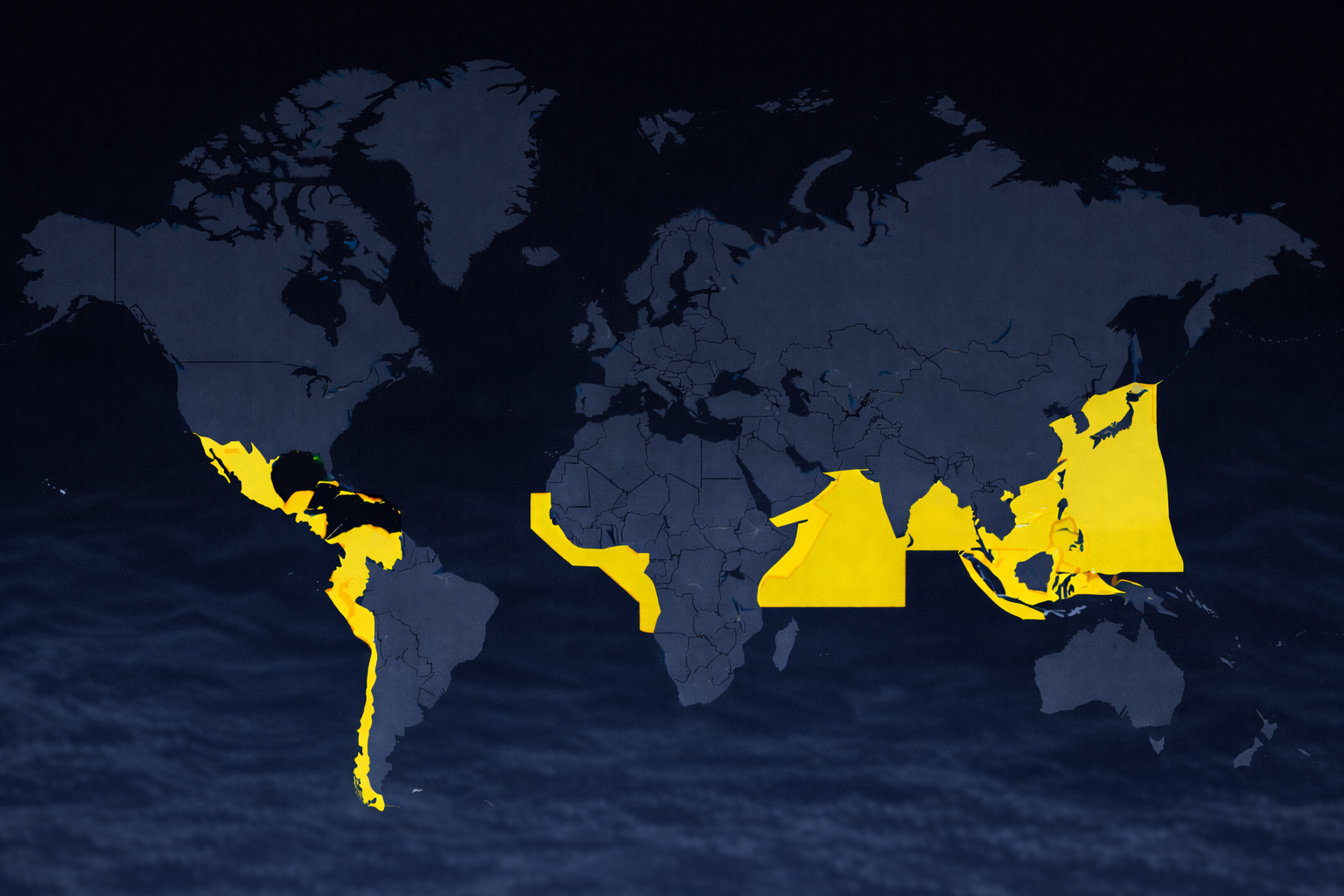
The geography of piracy has changed fundamentally over the last decade.

In 2024:
- Southeast Asia recorded 70 incidents, accounting for over half of global attacks
- Africa recorded 26 incidents, mainly in West African waters
- The Americas recorded 16 incidents, largely port and anchorage-related
This represents a decisive shift away from East Africa, which once dominated global piracy statistics.
The collapse of Somali piracy and what It teaches us
Somali piracy offers one of the clearest examples of how coordinated maritime crisis management can succeed.

Nowhere is the regional shift clearer than off the coast of Somalia. As the chart illustrates, Somali piracy incidents plummeted from hundreds of attacks in the early 2010s to barely a dozen in recent years. International naval patrols, onboard armed guards, and improved security practices practically eradicated Somali piracy by the late 2010s. In 2024, only a single Somali piracy incident was officially recorded. A remarkable turnaround from the 358 attacks seen between 2010–2015. Shipowners who once anxiously transited the Gulf of Aden under high alert now face far lower risks in that corridor (the UN even ended its Somalia anti-piracy mission in 2022). However, as Somalia’s threat waned, new trouble spots emerged elsewhere, requiring equal vigilance.
Southeast Asia: the new epicentre of piracy risk

Today’s pirates are most active in Southeast Asian waterways – especially the busy Singapore Strait and nearby Indonesian waters. In 2024, some 43 attacks occurred in the Singapore Strait alone, making it the world’s most piracy-prone location. These are usually armed robbery attacks on vessels underway or at anchor, perpetrated by local criminal gangs. Neighbouring Indonesia saw about 10 incidents in its waters, and the Philippines around 9 incidents.
Unlike the hijack-for-ransom model of Somali pirates, Southeast Asian pirates typically sneak aboard ships at night to steal cash, cargo, or equipment, and then flee. Most carry knives or machetes rather than firearms, and incidents tend to be “smash-and-grab” robberies. Still, the sheer volume of attacks in this region (up from 58 incidents in 2022 to 70 in 2024) means ship operators must treat Southeast Asia as a high-risk area that demands strict precautions.
West Africa, and more specifically the Gulf of Guinea, remains another major risk area, albeit with a different piracy model. Here, gangs have a history of violent attacks on tankers and kidnapping crew for ransom. The good news is that piracy incidents off West Africa have declined recently. Joint naval patrols by regional states led to reported attacks dropping to 26 in 2024 from a high in previous years. For example, in 2025 pirates attacked a bitumen tanker off Central African Coast. Shipowners and insurers still price West African voyages at a premium due to these risks.
Which vessels are most at risk?
The nature of piracy has also evolved. Pirates are shifting their targets and tactics based on opportunity and resistance.

Bulk carriers were by far the most attacked vessel type in 2024, with 50 incidents involving bulk cargo ships. This likely reflects their prevalence on major trade routes and perhaps a perceived ease of boarding (bulkers often have lower freeboards and slower speeds when laden). Product tankers suffered 14 attacks, and container ships 11 attacks. Smaller numbers of incidents hit general cargo ships,offshore support vessels and other ship types. Historically,this is a shift–adecade ago, hijackers off Somalia frequently targeted large tankers and container vessels for ransom.
Today’s pirates seem to prefer softer targets: for instance, many bulkers and tankers attacked in the Singapore Strait are smaller ships or those with minimal naval escort, suggesting pirates go after ships where they can board and escape quickly. The dominance of bulk carriers in 2024’s stats also implies pirates are often after ships carrying easily resellable goods (like fuel or commodities) or simply any vessel they can board to loot cash and valuables from the safe.
How pirates attack today: tactics and weapons
The vast majority of piracy incidents in 2024 involved criminals boarding the vessel to rob it, rather than full-scale hijackings. According to ICC IMB data, 94 ships were boarded by pirates in 2024, whereas only 6 incidents were actual hijackings where pirates took control of the vessel. This indicates pirates generally avoid the complexity of holding a ship hostage for days; instead, they get on board, steal what they can – or briefly hold the crew – and depart.

Compared to the AK-47s and RPGs wielded by Somali pirates a decade ago, today’s pirates are often less heavily armed. In 2024, only 15 attacks were gun-based, a slight decrease from the previous year. Meanwhile, 39 attacks involved knives or machetes, by far the more common weapon now. Many incidents (especially in Southeast Asia and South America) involve knives because firearms are harder to obtain or smuggle in those regions. That said, West African pirates do still carry firearms (and are quick to use them), so the level of force you might face is region-specific. Overall, the trend suggests a bit of a positive: fewer firearms in play can mean a lower likelihood of crew injuries if the crew does not resist.

Human impact: crew safety remains central
A key aspect of maritime crisis management is the fate of the crew. The data here offers a stark contrast between the early 2010s and now. In 2024, 126 seafarers were held hostage during pirate attacks, according to IMB, up from 92 hostages in 2023.

Today’s hostage situations are usually short-lived (often the duration of the robbery) or involve small groups taken off the ship. Kidnapping for ransom – where pirates abduct crew and take them ashore – has dropped significantly in recent years. In 2024, only 12 crew were kidnapped globally (down from 14 in 2023). This is a dramatic improvement from 2020, when Gulf of Guinea gangs kidnapped 135 crew in a spate of raids.

In summary, piracy in recent years features fewer large-scale hijackings and shorter, opportunistic raids, but it remains a very real threat. Pirates tend to board vulnerable ships in regional hotspots, armed often with knives or basic guns, to steal valuables – and sometimes hold crew at gunpoint. Knowing these patterns helps us craft effective crisis management and preventive measures. Next, we turn to how to prepare for and handle piracy incidents in this modern context.
Maritime crisis management: Preparing for a piracy crisis in 2026
Even with robust preventative measures, a pirate attack can still occur. Being well-prepared to manage the crisis can make all the difference in ensuring your crew’s safety and minimising losses. Below is a practical guide, targeted at shipowners, operators, charterers and insurers on how to brace for piracy incidents. This guide covers communication, risk assessment, crew training, insurance, and compliance, offering a structured approach to maritime crisis management.
1. Strengthen communication protocols
- Have an emergency communication plan: Establish clear protocols for who the crew should contact, and how, during a piracy attack. Typically, the bridge team should send a distress call immediately (via VHF Channel 16 and Inmarsat/COSPAS-SARSAT alert) if pirates are spotted attempting to board. A pre-arranged codeword or alarm signal can alert all crew without tipping off the pirates. The Master or designated officer should be prepared to communicate with naval forces or coast guards as soon as it’s safe to do so.
- Internal communication: Develop a shipboard plan for crew communication during an attack. Crew should know exactly what signals (alarms, PA announcements, hand signals) mean a piracy incident is in progress. Regular drills should reinforce this.
- External communication and media: It is importantto have a media handling plan if a serious piracy incident occurs. Nominate a spokesperson and prepare a holding statement to manage press interest. This ensures that any news released doesn’t complicate negotiations or distress families. Insurers and legal teams should also be looped in early through established contacts. They can provide critical guidance.
2. Conduct risk assessments and voyage planning
Not all voyages carry equal piracy risk. Before entering high-risk areas, conduct a thorough risk assessment and update it continuously with the latest intelligence. Consult resources like the ICC IMB Piracy Reporting Centre live piracy map, regional security advisories and Best Management Practices (BMP5) guidelines. Based on this risk assessment, implement appropriate ship protection measures. BMP5 recommends a layered approach: deter, detect, delay and respond.
Your risk assessment should also cover port stay robberies. Many piracy incidents are actually at anchor or berth. Ensure the crew remains vigilant in ports with known robbery problems – e.g. keep duty crew on deck, lock down access points, and control small boat approaches with searchlights. Simple actions like locking storerooms and documenting all visitors/boats coming alongside can avert opportunistic thefts that might otherwise escalate.
3. Train and drill your crew
Your crew’s preparedness and mindset are crucial in a piracy crisis. Regular training and realistic drills will ensure they know how to react quickly and correctly under pressure. At minimum, every crew member should understand the ship’s piracy response plan and their individual role in it. Key elements to train on include:
- Watchkeeping and early detection
- Ship hardening and evasion
- Citadel procedure
- Crew conduct during boarding
- First aid and post-incident care
4. Ensure insurance and legal readiness
A comprehensive piracy crisis plan isn’t complete without the financial and legal safeguards. Review your insurance coverages well before any voyage in high-risk waters. Standard hull insurance may cover physical damage from a piracy attack, but losses from theft, ransom payments, or crew injury might not be fully included unless you have specific policies. Most shipowners carry War Risk insurance when transiting designated high-risk piracy zones (since many insurers classify piracy under war/strikes risks). This often covers hull damage and maybe General Average contributions if you must pay a ransom, but ransom monies themselves are usually only covered by special Kidnap & Ransom (K&R) insurance.
Charterers too should be aware of their contractual obligations in a piracy event. Many charter parties now include BIMCO piracy clauses allocating costs and responsibilities. Piracy is a crime under international law, so there will be investigations by flag state, coastal state, possibly others. Your crew may need to give statements. It’s important to preserve log books, CCTV recordings, and evidence of the attack. Ensure your company’s legal counsel is involved early to assist with statements and any claims process.
Preparedness is the new protection
Effective maritime crisis management is about preparation. From the boardroom to the bridge, having a plan and practising it can turn a potentially deadly incident into a contained event. Ensure your crews are trained, your ship is hardened, your communication lines are open, and your insurance and legal backups are in place. An old saying goes, “Hope for the best, but plan for the worst.” Nowhere is that more true than on the high seas. By hoping pirates never come but preparing as if they will, shipowners and operators can protect their people and assets even in the face of piracy. Stay safe, stay alert, and keep the strategies in this guide at the ready. Because in maritime security, preparedness is your best armour.
Maritime Crisis Management
From risk assessment to incident response